


The Intriguing World of UK Horse Racing: A Season Off
While the excitement of UK horse racing draws thousands of fans to tracks across the country during the season, it’s essential to recognize what happens when the racing stops. UK horse racing not on GamStop Merseyside Mounted and various other equine organizations play a crucial role in maintaining the horse racing community even when the crowds disappear.
The Silence Between the Races
The UK horse racing season is a fervent celebration of speed, strategy, and tradition, featuring prestigious events such as the Grand National and Royal Ascot. However, as the last race of the season comes to a close, the fervor shifts to a quieter backdrop as tracks prepare for a hiatus. This break provides an opportunity for jockeys, trainers, and horses to rest and recuperate, as well as for industry professionals to reflect on the racing year that has passed.
Importance of the Off-Season
When the racing is off, it doesn’t mean that the industry is at a standstill. Instead, it transitions into a different phase of development and training. Horses need recovery time; this is imperative to their health and performance. During the off-season, trainers shift attention from the competitive aspects of racing to rehabilitation and enhancing the horses’ physical fitness. This period allows for specialized training focused on addressing any injuries or conditioning deficits observed during the season.
Training Practices and Challenges
Trainers often utilize the off-season for innovative training practices that may not be feasible during a regular racing schedule. These practices incorporate advanced techniques that encompass a blend of traditional horseback training methods with modern fitness strategies. From hill training to water workouts, each element contributes to developing a strong, competitive edge when the races begin anew.
However, the off-season presents unique challenges, particularly in colder months. Maintaining the horses’ physical condition while safeguarding against adverse weather conditions becomes a priority. Trainers must devise strategies to keep horses fit without compromising their well-being, often employing indoor facilities where access is available.
Community and Engagement
Even during the off-season, the community surrounding horse racing remains active. Numerous events are organized, from educational seminars about horse care and welfare to charity races and local shows. These events not only help to maintain engagement among fans and stakeholders but also foster a sense of community and support for local equestrian programs.
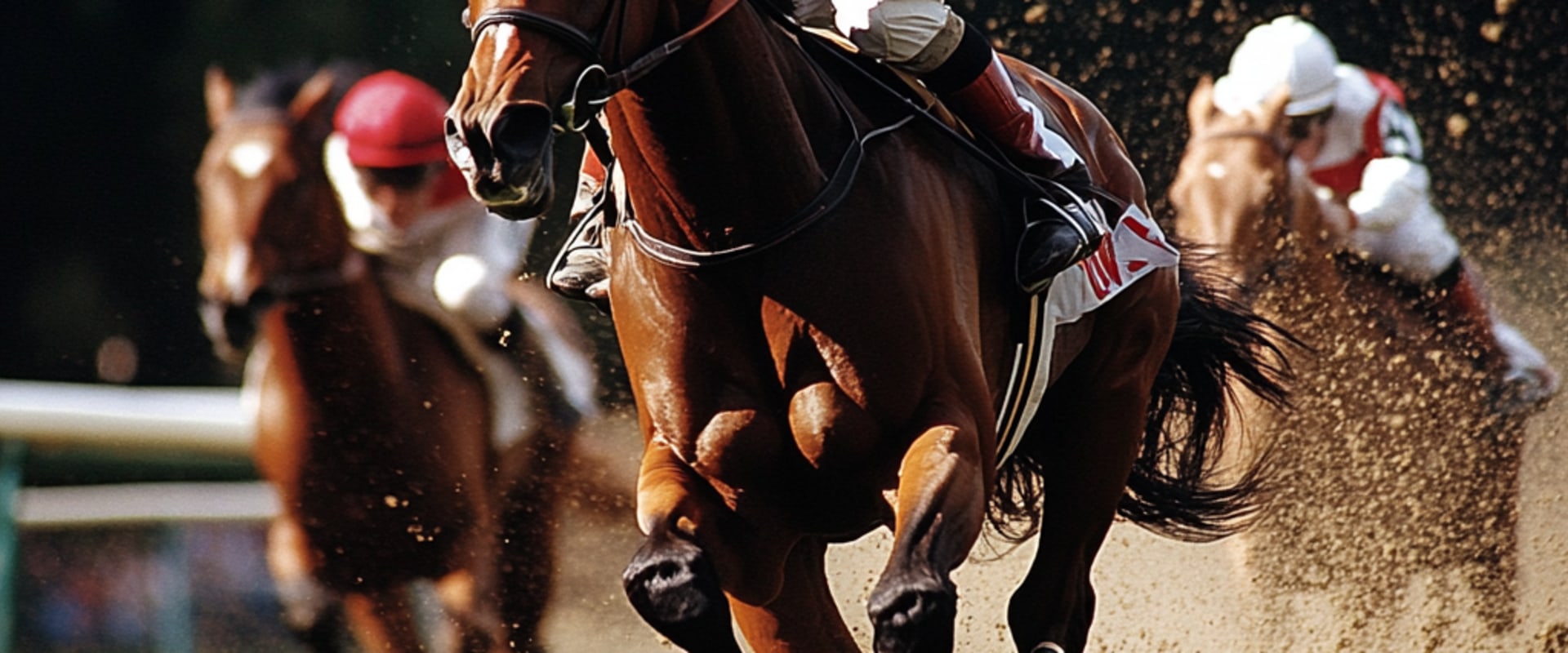
Moreover, facilities such as racetracks become a hub for various non-racing horse-related activities. Open days, training demonstrations, and youth programs ensure that interest in horse racing persists, allowing new generations to engage with the sport. These efforts are vital for the future sustainability of horse racing as they cultivate a new audience while stressing the importance of equine welfare.
Horse Welfare and Regulations
Welfare remains a critical focus during the off-season. Regulatory bodies like the British Horseracing Authority (BHA) implement stringent measures to ensure that horses are cared for appropriately. These measures include regular health checks, nutritional assessments, and monitoring of physical and mental well-being. With the spotlight on safety and welfare, the off-season becomes a time for deeper engagement in these practices, paving the way for improved conditions within the industry.
Temporary Careers in the Off-Season
For many individuals within the horse racing community, the off-season can also present temporary career opportunities. Factors such as staffing needs at farms, breeding facilities, and even other equestrian events provide employment avenues that keep industry professionals engaged and maintain their skills. For example, many jockeys take on roles as trainers, coaches, or ambassadors in academia and entertainment, ensuring that their experience helps to nurture the next generations of racing talent.
Future Outlooks
As the UK horse racing community slowly gears up for the start of the new season, the groundwork laid during the off-season is essential for a successful return. The relationships built between trainers, jockeys, and organizations like the Merseyside Mounted continue to thrive, further bolstering the industry’s prospects.
Recent shifts in audience engagement and technological advancements are inspiring changes within the context of horse racing. From the integration of betting apps to enhancing the spectator experience through virtual events, those in the industry are exploring broader horizons even in the moments of quiet between races. These changes hint at a dynamic shift in the British racing landscape that looks well ahead towards sustaining the cherished traditions of a sport with a history like none other.
Conclusion
The off-season of UK horse racing is not merely a pause; it’s a time of preparation, reflection, and innovation. While the tracks may be empty, the dedication of the community, trainers, and professionals continues to create pathways for the future of the sport. As the new season approaches, insights gained during the off-season will ultimately help shape the next thrilling chapter of horse racing in the UK.
